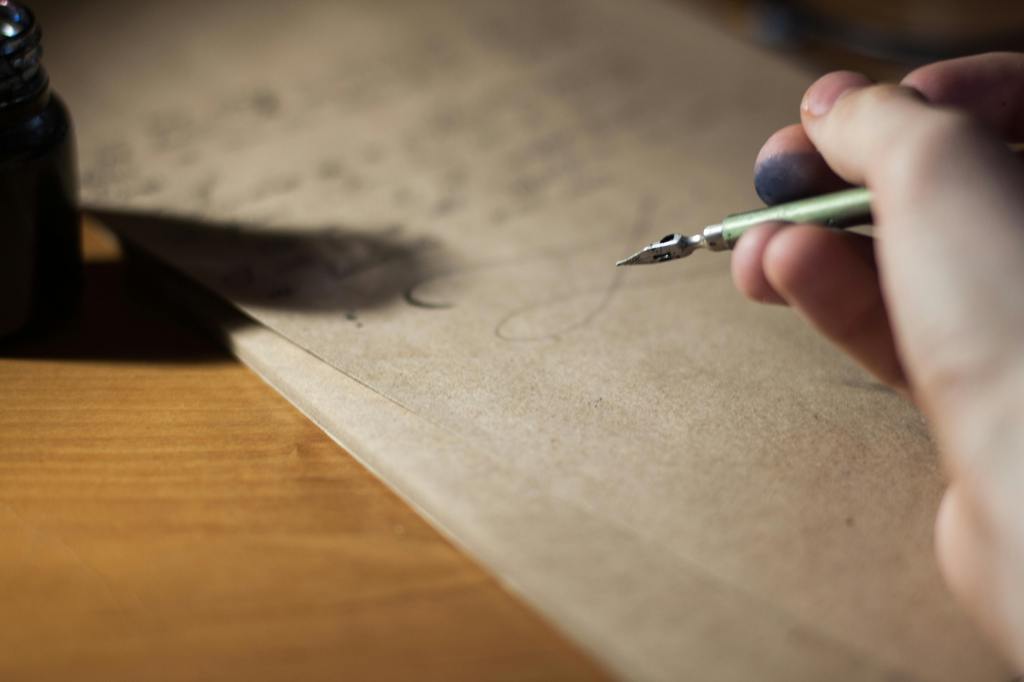
In a society that glorifies hustle culture, external validation, and people-pleasing, writing has long since ceased to be a hobby for the pure and simple joy of the author’s satisfaction.
The age of social media has helped to wrest away the role of writing as a tool of self-expression. Nowadays, an author’s chief concern is external validation. How many likes have you garnered? How many positive reviews have you earned? How many sales have you made? Nothing matters more than material success—than “proving” you have what it takes by earning yourself a bestselling slot.
And while there’s absolutely nothing wrong with wanting to publish and earn some money along the way, we need to re-frame the way we view the writing process.
* * *
First off, there is absolutely nothing wrong with having a hobby.
In today’s hustle-dominated society, the term “hobby” has almost become a dirty word. A hobby is a useless pastime, only justified if it provides you with a productive use. Is it enhancing a skill needed for your job? Is it earning you some money on the side?
But there’s nothing wrong with indulging in something just for the sake of indulging in it. There’s a reason we’re able to feel happiness—and why shouldn’t we gift ourselves as much serotonin as we can manage? Not every action needs to be productive in the traditional sense of the word. Happiness is a perfectly respectable goal in and of itself.
But for some reason, when you mention writing, nobody assumes you’re doing it for yourself. Friends and family will always ask “when are you going to publish?” Fellow writers will give you tips on how to snag agents and beta readers. Articles will discuss common plot templates to use, tropes to employ or avoid to attract audiences, and drill in you the unavoidable conclusion that your readership and sales will ultimately determine whether or not the whole venture was a success.
But if you actually just liked to write, then wouldn’t your enjoyment be the marker of your success?
Yeah, I’m publishing my books. Thanks to modern technology, I can do that without the use of any middle man (aside from the handy tools and staff at Barnes & Noble Press, of course). But I’m doing it because it’s fun to claim I’m a published author, and maybe someday, someone might come across my stories and fall in love with them.
I love the act of writing. I love worldbuilding, I love getting to know my characters, and I love taking them all on a wondrous journey together. I don’t need beta readers, ARC recipients, or any potential audiences to be the ones to tell me whether or not it was worth the time I spent to write my books.
If you want to make use of all those things, then there’s nothing wrong with that. If you’re the type of writer who likes to throw out a first draft, but would rather stab yourself with a fork than take an attempt at editing, then by all means, hire some help. That’s what it’s there for, after all.
All I’m saying is, pulling every card out of the deck to get yourself commercial success doesn’t make you better than any other writer. It’s not the “right” way to go about writing and/or publishing—nor the only.
And if you didn’t even want to try publishing in the first place? Then there’s absolutely nothing wrong with that either. You’re just as valid as a writer who becomes an instant New York Times bestseller.
No matter what path is right for you, your love for the craft needs to center your actions. Because otherwise…why did you even bother to start writing in the first place?

Leave a comment