advice
-

Spoiler warning! I discuss several movies in-depth here, so if there’s any you haven’t seen that you don’t want spoiled, then I’d advise you to skip the corresponding sections. The movies will be stated before I begin discussing them. * * * We’ve all heard of the classic hero’s journey. It’s extremely prevalent in western…
-

In a society that glorifies hustle culture, external validation, and people-pleasing, writing has long since ceased to be a hobby for the pure and simple joy of the author’s satisfaction. The age of social media has helped to wrest away the role of writing as a tool of self-expression. Nowadays, an author’s chief concern is…
-

Every book falls into one of several predetermined age categories, intended to signal to potential readers the maturity levels of any given story. Or at the least, that’s how it’s supposed to work. In reality, age ranges have basically become tools for publishers to slot their wares in front of potential target audiences. A book…
-

The market in the last several years (ever since the 2010s, really), has become oversaturated with surface-level tales of shock-value atrocities and aesthetically packaged suffering. Nobody is willing to dig into a deeper discussion on the repercussions of trauma and abuse; but they’re more than eager to coat deep and troubling topics in a rose-tinted…
-

In today’s installment of “how did the patriarchy screw up the media?,” we’re going to talk about the infamous “not like other girls” trend. Some may be under the impression that this movement was the result of “angry feminists” who sought to desecrate the sacred concept of femininity. But in reality, it was just another…
-

First person and third person limited are the choices of trend nowadays. When you open a book, chances are you’ll either see a narration from one single person’s point of view, with little insight given elsewhere; or the entire narrative told from behind the MC’s eyes. But it’s also possible to handle more than one…
-

Tropes can vary wildly—from soft and cuddly interactions like “grumpy x sunshine,” to the infamous “enemies to lovers,” where authors will tout all sorts of disturbed interactions we’re supposed to find “appealing” or “romantic.” MCs can be “cinnamon rolls,” or “unhinged and morally gray.” Romance can be sweet to “dark”—like your favorite brew of coffee.…
-

A good villain doesn’t need the most tragic backstory and sympathetic motivations—they just need to feel like a believable person. But how do you determine if your villain passes the test? * * * What is Evil? Every villain is lemons, obviously. But on a serious note—the main element that separates your villains from the…
-

You’ve all heard of the typical five-act plot structure—exposition, rising action, climax, falling action, and resolution. And it’s an excellent structure—bare-bones enough to apply to just about any story, while providing enough of a framework to fit your elements inside. But there’s another structure that comes in handy, especially when you’re dealing with a work…
-
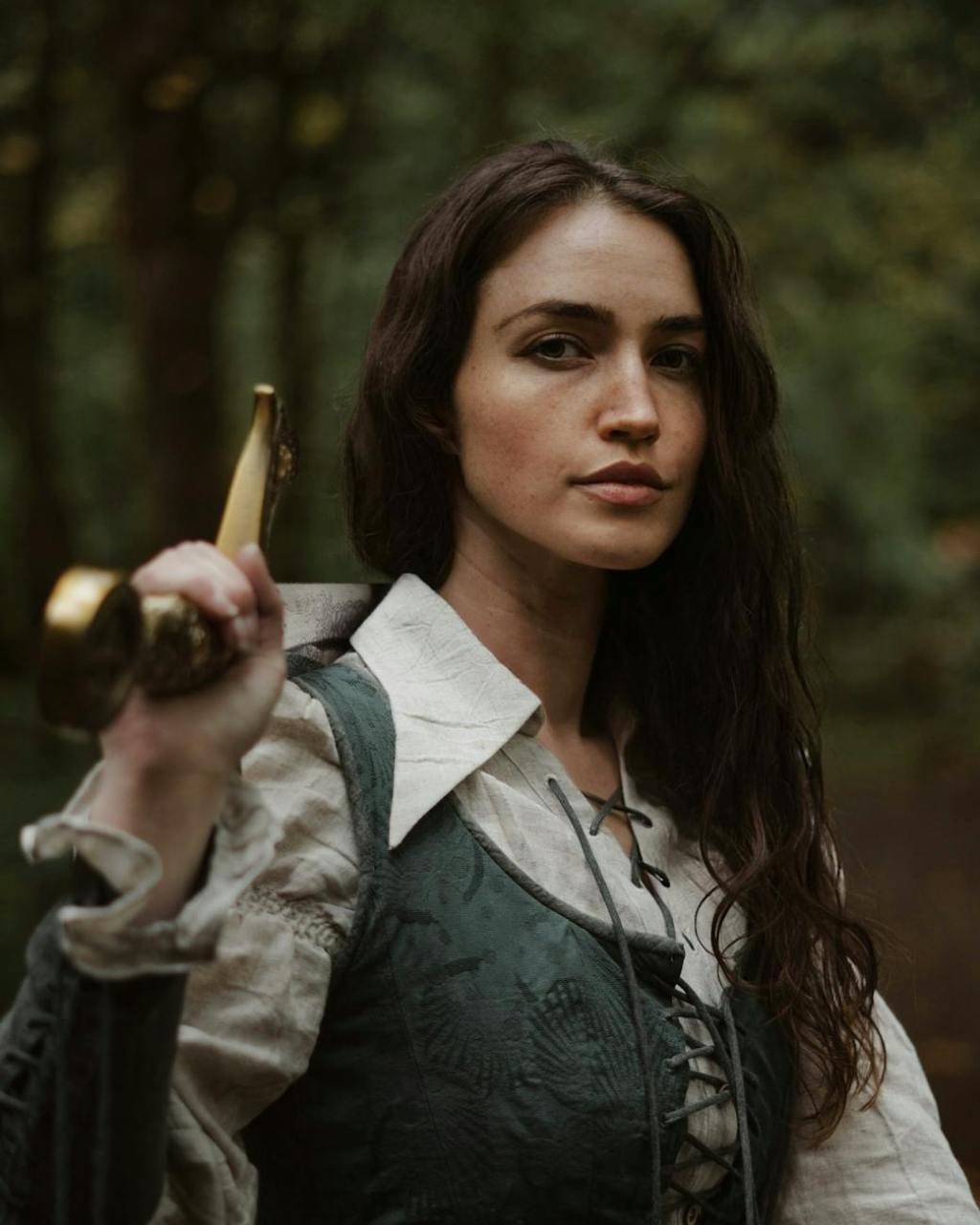
Certain female characters can spark a passionate debate just by their mention. And it’s all about the same basic question—how objectively “good” is the character in the eyes of the fans? Rating objectivity in matters of taste is, simply put, a futile matter. The only metrics by which we can judge the “goodness” of a…
